

Most people think of window caulking as a cosmetic job, a neat white line around the frame. It is not. That bead is the only thing standing between wind driven rain and the timber, plaster and insulation behind your window reveal.
In Melbourne it works harder than almost anywhere else in Australia. Here is why windows need caulking, the seven things a good seal actually does for your home, and the four leaks that caulking will not fix.
Quick answer: Windows need caulking because the gap between the frame and the wall is never watertight on its own. Sealing it stops water entry, cuts draughts and heating costs, protects plaster and flooring, prevents mould in the reveal, keeps dust and noise out, extends the life of the window, and costs a fraction of a window replacement. In Melbourne, expect exterior window sealant to last around 5 to 10 years before it needs replacing.
Why Melbourne Is Hard on Window Seals
Sealant fails faster here than the manufacturer’s datasheet suggests, and the reasons are local.
1. Four seasons in one day means constant expansion and contraction
A 20 degree swing between morning and afternoon is an ordinary Melbourne spring day. Aluminium frames expand and contract against brick and render that move at a completely different rate. A rigid filler cracks. A flexible sealant absorbs it. That difference is the whole job.
2. Wind driven rain arrives sideways
Southerly fronts push rain horizontally into the west and south elevations. Water that would run harmlessly down a wall in still conditions gets forced into any gap it can find around the frame.
3. Reactive clay soils keep buildings moving
Much of Melbourne sits on reactive clay that swells in winter and shrinks through summer. Houses move with it. Window openings open and close by a millimetre or two every year, and the sealant is the joint that takes the strain.
4. UV breaks sealant down from the outside
North and west facing windows cop hours of direct sun. Cheap acrylic gap filler used externally will chalk, shrink and split within a couple of years. This is the single most common reason we get called back to a window someone else sealed.
5. Mixed materials on the same opening
Melbourne housing stock mixes timber sashes, aluminium frames, brick, render, weatherboard and cladding, often on one elevation. Each pairing needs a sealant that bonds to both surfaces. One product does not suit every junction.
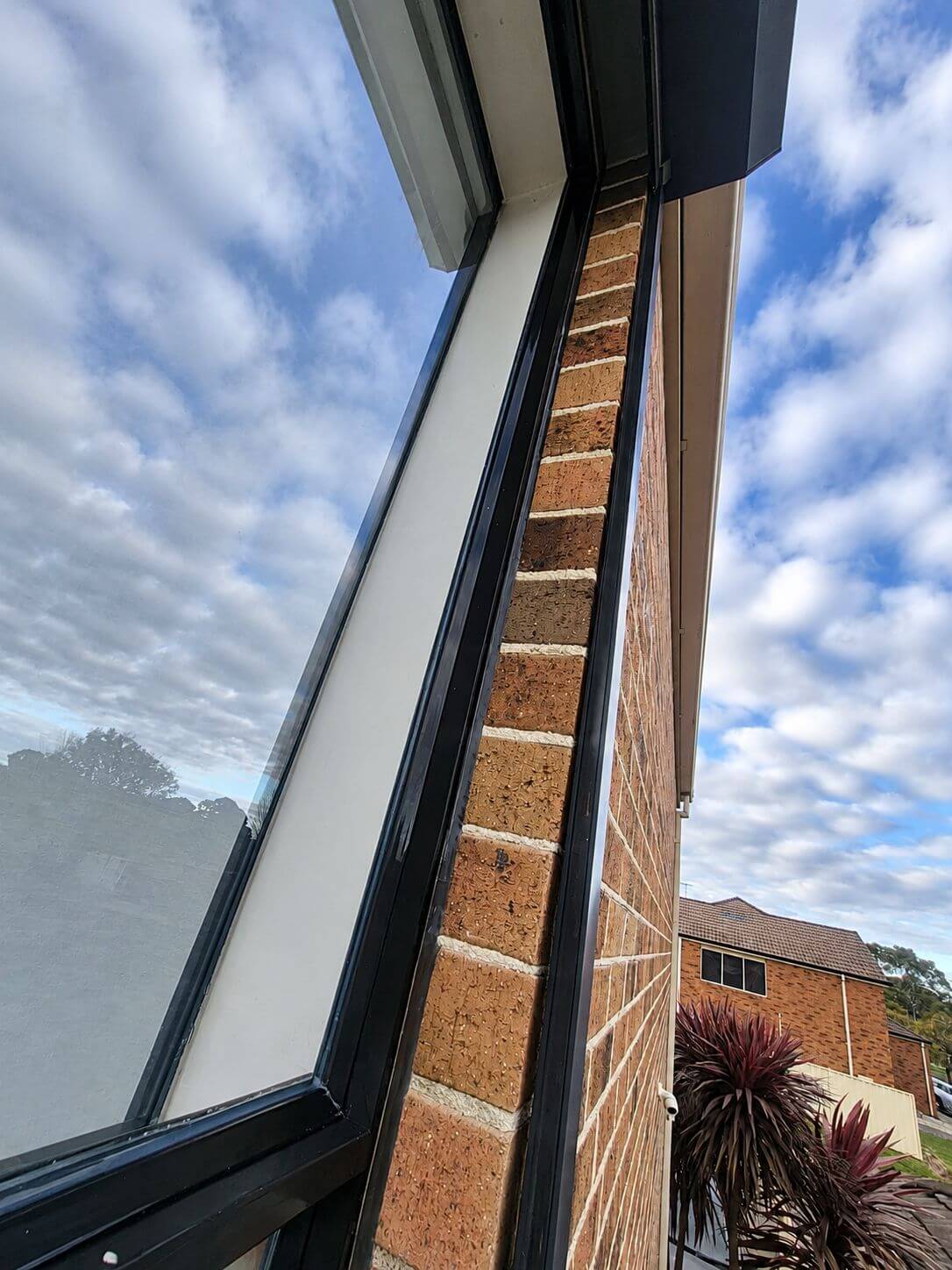
7 Benefits of Caulking Your Windows
1. It stops water before it reaches the frame
Water that gets behind a window frame does not evaporate. It sits in the reveal, soaks into the timber or plasterboard and works its way down inside the wall cavity. By the time a stain appears on the internal architrave, the damage behind it is usually months old. A sound exterior bead stops the entry point.
2. It cuts draughts and heating bills
Air leakage around window frames is one of the largest uncontrolled heat losses in an older Australian home. Sealing the perimeter is the cheapest draught proofing available, and in a Melbourne winter you feel it in the first week.
3. It protects plaster, architraves and flooring
Repairing a water damaged reveal means removing the architrave, cutting out wet plaster, drying the cavity, patching and repainting. Replacing the sealant that caused it costs a tiny fraction of that work.

4. It prevents mould in the reveal
Damp plaster and condensation around a leaking window give mould exactly what it needs. Once it is in the plaster, cleaning the surface does nothing. Sealing the leak and drying the reveal is what actually fixes it.
5. It keeps dust, pollen and noise out
The same gap that lets water in lets everything else in. Sealing the perimeter noticeably reduces street noise and the fine dust that settles on sills in homes near main roads, which covers a lot of inner Melbourne.
6. It extends the life of the window itself
Timber frames rot from the joints inward once moisture gets in. Aluminium frames corrode at fixings. A $300 reseal every several years is what keeps a window out of the replacement conversation.
7. It costs a fraction of the alternatives
Resealing the windows on an average home costs less than repairing one water damaged wall, and far less than replacing a single window unit. Of every job we do, window caulking has the widest gap between what it costs and what it prevents.

Caulking Is Not Always the Culprit: 4 Other Reasons Windows Leak
An honest answer saves everyone time. Sealant is often the problem, but not always.
1. Blocked weep holes
Aluminium windows are designed to let a small amount of water in and drain it back out through weep holes along the bottom of the frame. Paint, dirt and insect nests block them, water backs up inside the frame and overflows into the room. Sealing over weep holes makes this worse, not better. We check them before we seal anything.
2. Failed or missing flashing
If the flashing above the window has corroded or was never installed correctly, water enters above the frame and appears below it. No amount of perimeter sealant fixes that. It is a builder or roofer job.
3. The glazing seal, not the frame seal
The bead holding the glass into the sash is a different seal from the one around the frame. If water is tracking down the inside of the glass rather than beside the frame, that is the glazing seal.
4. Sill and drainage falls
A sill that falls back toward the house, or a garden bed built up against a window, will push water in regardless of how good the sealant is.
Signs Your Window Seals Need Replacing
| What you see | What it means |
|---|---|
| Cracks or splits running along the bead | The sealant has gone rigid and can no longer take movement |
| Sealant lifted away from the frame or the brick | Bond failure, usually poor surface prep or the wrong product |
| Chalky, faded, crumbling surface | UV degradation, common on north and west elevations |
| Gaps you can slide a business card into | Shrinkage. Water is already getting behind it |
| Draught you can feel beside the frame | Air path through the perimeter, so there is a water path too |
| Staining on the internal architrave or sill | Water has been entering for a while |
Interior vs Exterior Window Caulking
They are two different jobs with two different products, and plenty of homes need both.
| Interior | Exterior | |
|---|---|---|
| Purpose | Finish the reveal, stop draughts and dust | Keep water out of the wall |
| Product | Paintable, low shrinkage sealant | UV stable, high movement exterior sealant |
| Expected life | 10 years or more, often until the next repaint | Around 5 to 10 years in Melbourne conditions |
| Failure looks like | Hairline cracks at the architrave | Splitting, chalking, lifting |
What Window Caulking Costs in Melbourne
Pricing follows the number of windows and access rather than the size of the house. Ground floor windows on a standard home are straightforward. Anything needing ladders, scaffolding or a lift costs more, and that is usually the bigger line item on a double storey job.
As a guide, resealing the exterior windows on an average single storey home is a half day to a full day of work. We quote per job after seeing the elevations, because five windows on a sheltered east wall and five on an exposed west wall are not the same job. Our window caulking service page covers what is included.
Window Caulking FAQs
How often should window sealant be replaced?
Exterior sealant on a Melbourne home typically lasts 5 to 10 years. West and north facing windows go first. Interior beads last much longer, often until the room is repainted.
Can I just caulk over the old sealant?
No. New silicone will not bond to cured old silicone. The old bead has to be cut out completely and the joint cleaned and dried, or the new one lifts within months. This is the step that separates a reseal that lasts from one that does not.
Should the whole window perimeter be sealed?
Almost, but not quite. The head and the jambs are sealed. The bottom of the frame needs its weep holes and drainage path left clear, so a continuous bead right around the opening is actually a mistake.
Is caulking the same as weatherproofing my windows?
It is a large part of it, but flashing, drainage falls and the glazing seals all have to be sound as well. We will tell you if the problem sits outside what caulking can fix.
Do you service my area?
We work across Melbourne, from the inner suburbs out to Eltham, Doncaster, Werribee and the Mornington Peninsula. See our service areas, or look at a recent external window caulking project in Eltham.
Get Your Windows Sealed Before the Next Front
If your window seals are cracked, lifted or chalky, or you can feel a draught beside the frame, it is worth getting them looked at before the next run of wet weather rather than after it.
Professional Caulking Group has been caulking and waterproofing Melbourne homes for over seven years, with more than 580 five star Google reviews.
Call 0435 803 646 or request a quote online.