

Late spring is when Melbourne starts searching for caulking. The weather is finally dry enough for sealant to cure properly, and summer is about to put every joint around the house under stress. A summer caulking checklist, worked through now, is the simplest way to stay ahead of it.
The Bureau of Meteorology’s long-range outlook points to warmer than average days through to January. Heat makes building materials expand, cool changes make them shrink back, and tired sealant is the first thing to give.
Quick answer: A summer caulking checklist for a Melbourne home has five jobs: replace mouldy shower silicone, check the flexible joint around the pool coping, inspect external expansion joints, seal gaps around windows and doors, and refresh the silicone in the kitchen and laundry. Late spring is the best time to do it: joints are dry, sealant cures well, and the work is finished before the hottest months.
1. Replace Mouldy Shower Silicone
Black spots along the shower base or around the bath are not a cleaning problem. Once mould has grown into the silicone, no spray will shift it, and the seal behind it has usually started to fail. A warm, steamy bathroom over summer only makes it spread faster.
The fix is to strip the old silicone out completely, treat and dry the joint, and reseal with a mould resistant sanitary silicone. New silicone will not bond to old silicone, so smoothing a fresh bead over the top never lasts. If you are not sure whether yours is due, see our 7 signs your bathroom caulking needs replacing, or read about our bathroom caulking service.
2. Check the Joint Around Your Pool Coping
The flexible joint between the pool coping and the surrounding paving lets the pool shell and the paving move independently. When that sealant cracks or pulls away, water gets underneath, pavers start to lift and coping tiles can work loose.
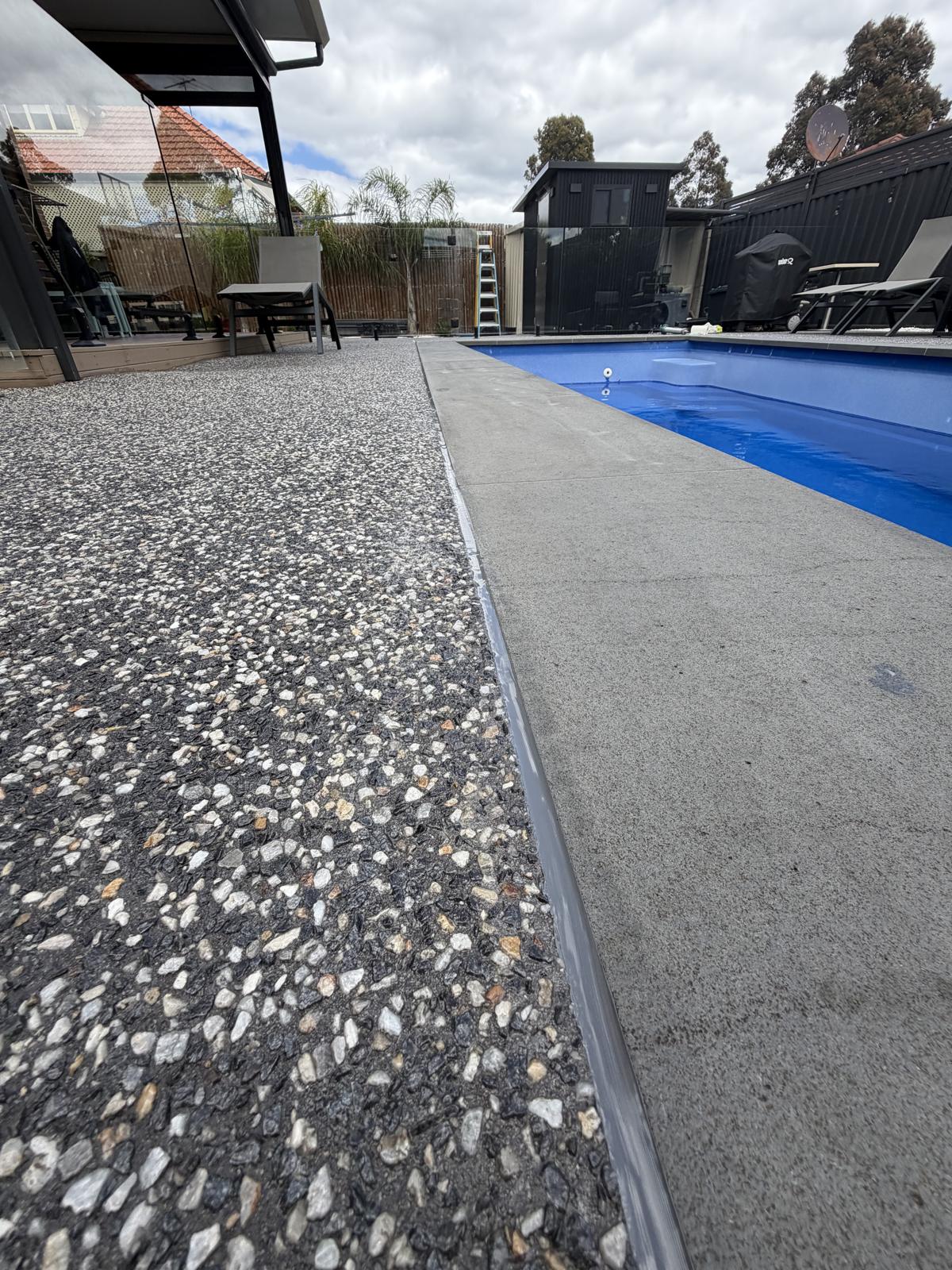
Have a look before the first swim of the season. If you can see gaps, or the sealant has gone hard and brittle, it is due for replacement. This pool coping expansion joint job in Bundoora shows what a finished joint should look like, and our pool and paving caulking page covers the process.
3. Inspect External Expansion Joints
Concrete, brick and render all expand in the heat and contract overnight. A Melbourne summer, with a 38 degree afternoon followed by a cool change, is about as hard as it gets on the expansion joints in driveways, paths, brick walls and facades.
A failed joint lets in water and grit, and that leads to cracking and movement in the surfaces either side. Resealing with a flexible exterior sealant over the right backing rod keeps the joint doing its job. See our residential expansion joint caulking for more.
4. Seal Gaps Around Windows and Doors
Gaps around window and door frames let hot air in and cooled air out, so the air conditioner works harder and the power bill climbs. They are also an open door for ants, spiders and dust on a windy day.
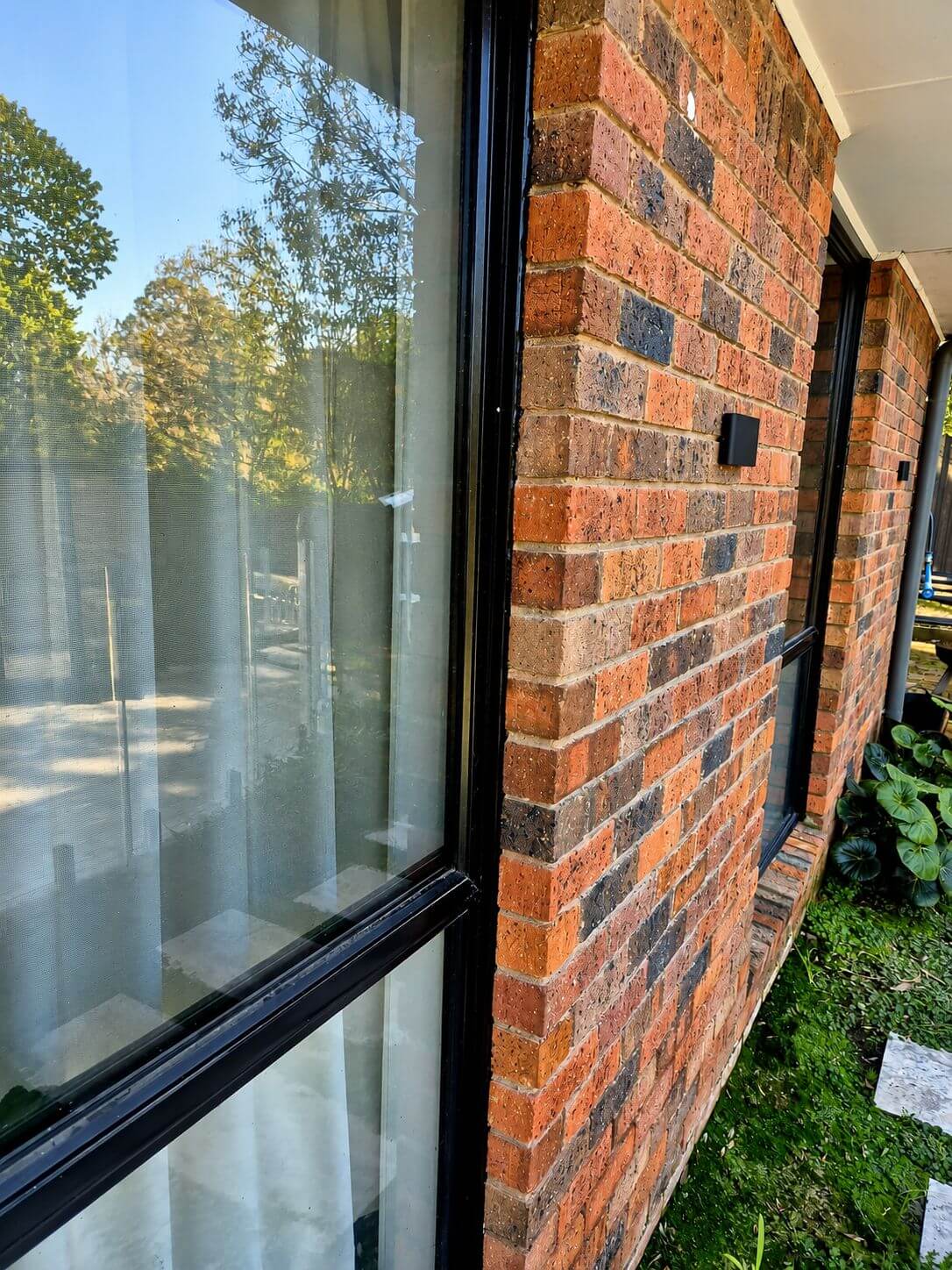
A fresh seal around the frames is one of the cheapest ways to make a home more comfortable in summer. We go through the full list in Why Caulk Your Windows? 7 Benefits for Melbourne Homes, and our window caulking service covers both old and new frames.
5. Refresh Kitchen and Laundry Seals Before Christmas
If you are hosting over the holidays, the silicone around the benchtops, splashback and sink will be on show and in constant use. Discoloured or peeling silicone lets water into the cabinetry and makes a clean kitchen look tired.
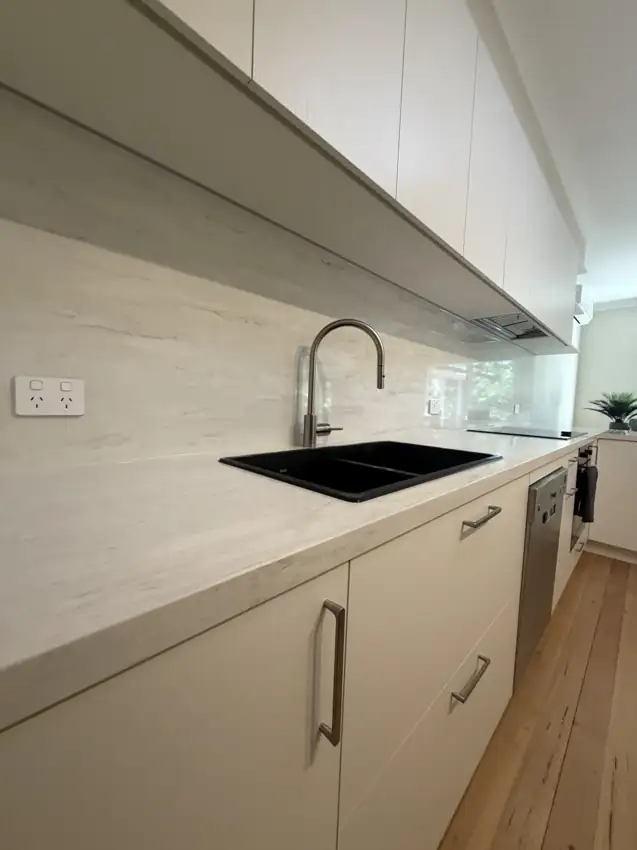
A colour matched reseal is a small job that lifts the whole room. Our kitchen caulking page has the details.
Why Late Spring Is the Right Time
Sealant needs a clean, dry joint to bond. After winter, joints have had time to dry out, and mild days in November and early December give silicone and exterior sealants good conditions to cure. Leave your summer caulking checklist until the middle of summer and exterior work has to be planned around extreme heat, while every hot and cold cycle opens a failed joint a little further.
DIY or Call a Professional?
A caulking gun and a tube of silicone will handle a small gap. Where DIY jobs usually go wrong is the preparation: new silicone over old, a joint that is still damp, or the wrong product for the surface. If you want to do it yourself, our step by step guide to caulking a bathroom or shower walks through the method.
For wet areas, pool surrounds and expansion joints, a professional job lasts longer because the old sealant is fully removed and the product is matched to the joint.
Summer Caulking Checklist FAQs
Can you caulk in hot weather?
Yes, but conditions matter. Exterior sealant is best applied out of the hottest part of the day, on surfaces that are not scorching to touch. That is one reason late spring and early mornings are preferred for outdoor work.
How long does new shower silicone need before use?
Keep water off it for at least 24 hours. Our guide to how long silicone takes to dry covers showers, kitchens and windows.
How much does it cost to reseal a shower in Melbourne?
It depends on the size of the shower and the condition of the old sealant. See our shower resealing cost guide for typical 2026 prices.
How do I know if my pool joint needs replacing?
Look for cracks, gaps between the sealant and the coping, or sealant that has gone hard and no longer flexes under your thumb. Any of those means water can get in.
When is the best time of year to caulk in Melbourne?
Late spring and early summer. Joints have dried out after winter and mild days give sealant good conditions to cure, which is why a summer caulking checklist is best worked through in November and early December.
Get It Sealed Before the Heat Sets In
Professional Caulking Group seals bathrooms, kitchens, pools, windows and expansion joints across Melbourne. If any of the jobs on this summer caulking checklist look overdue at your place, request a free quote and have it done before summer.