

Bathroom resealing is one of the cheapest jobs you can do in a house and one of the most effective. The silicone lines in a bathroom are the only thing standing between daily water and the joints behind them, and they are the first part of the room to wear out.
A proper reseal is more than a new bead around the shower. This guide covers every joint that gets resealed, why the bath edge is usually the first to fail, how long the job takes, and how to tell when resealing is not enough.
Quick answer: Bathroom resealing means removing all the old silicone from the shower, bath, vanity, basin, toilet base and floor to wall joints, treating any mould, and applying new mould resistant sanitary silicone. A standard bathroom is usually done in a single visit, and the new seal needs at least 24 hours before it gets wet.
What Gets Resealed in a Bathroom
A full bathroom resealing job covers every joint where two surfaces meet and water can reach:
| Joint | Why it matters |
|---|---|
| Shower floor to wall and internal corners | Takes the most water in the house, every day. Usually the first place mould appears. |
| Shower screen, channel and frame | Water runs down the glass and sits in the channel. A failed seal here leaks onto the bathroom floor. |
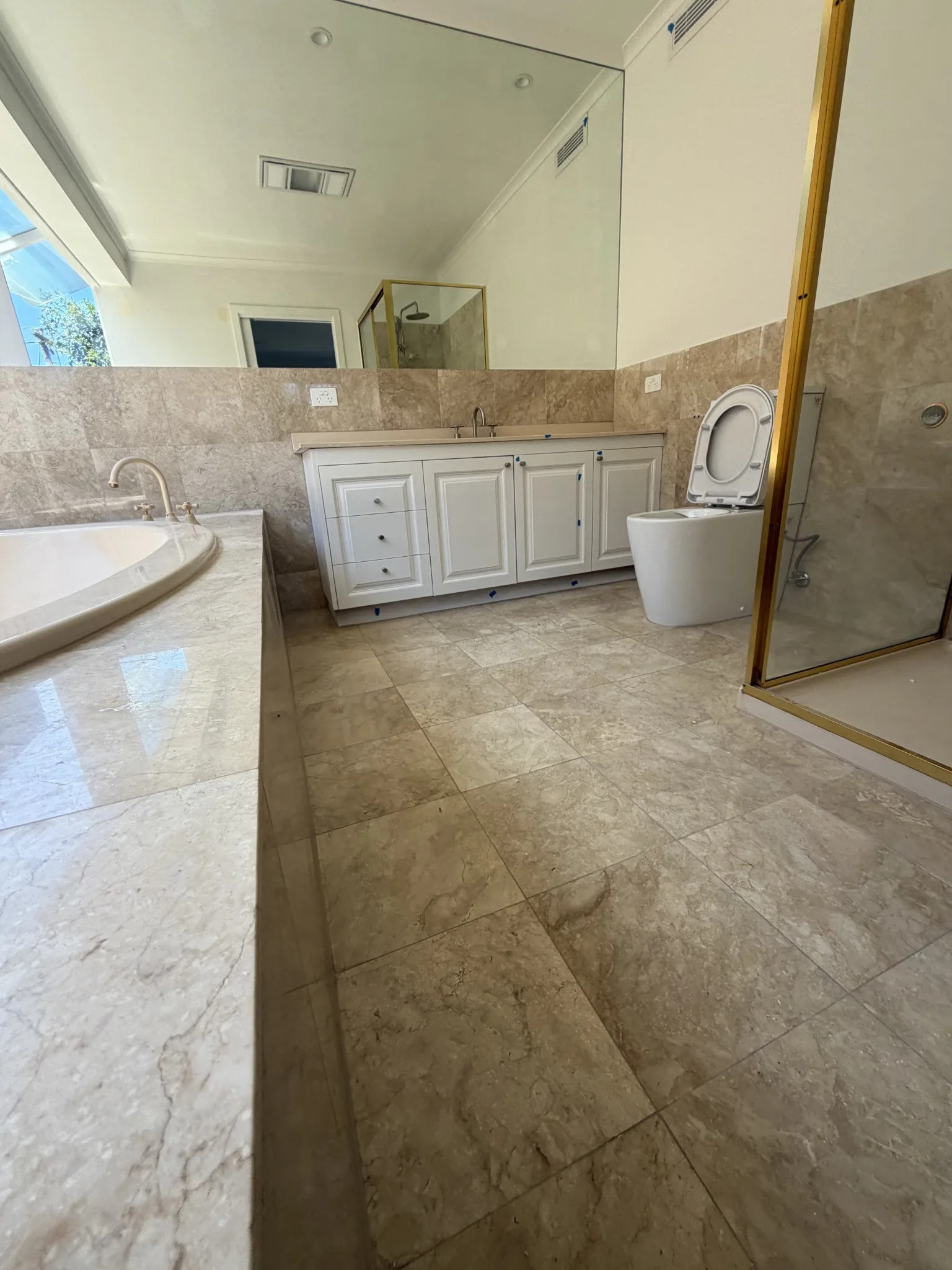
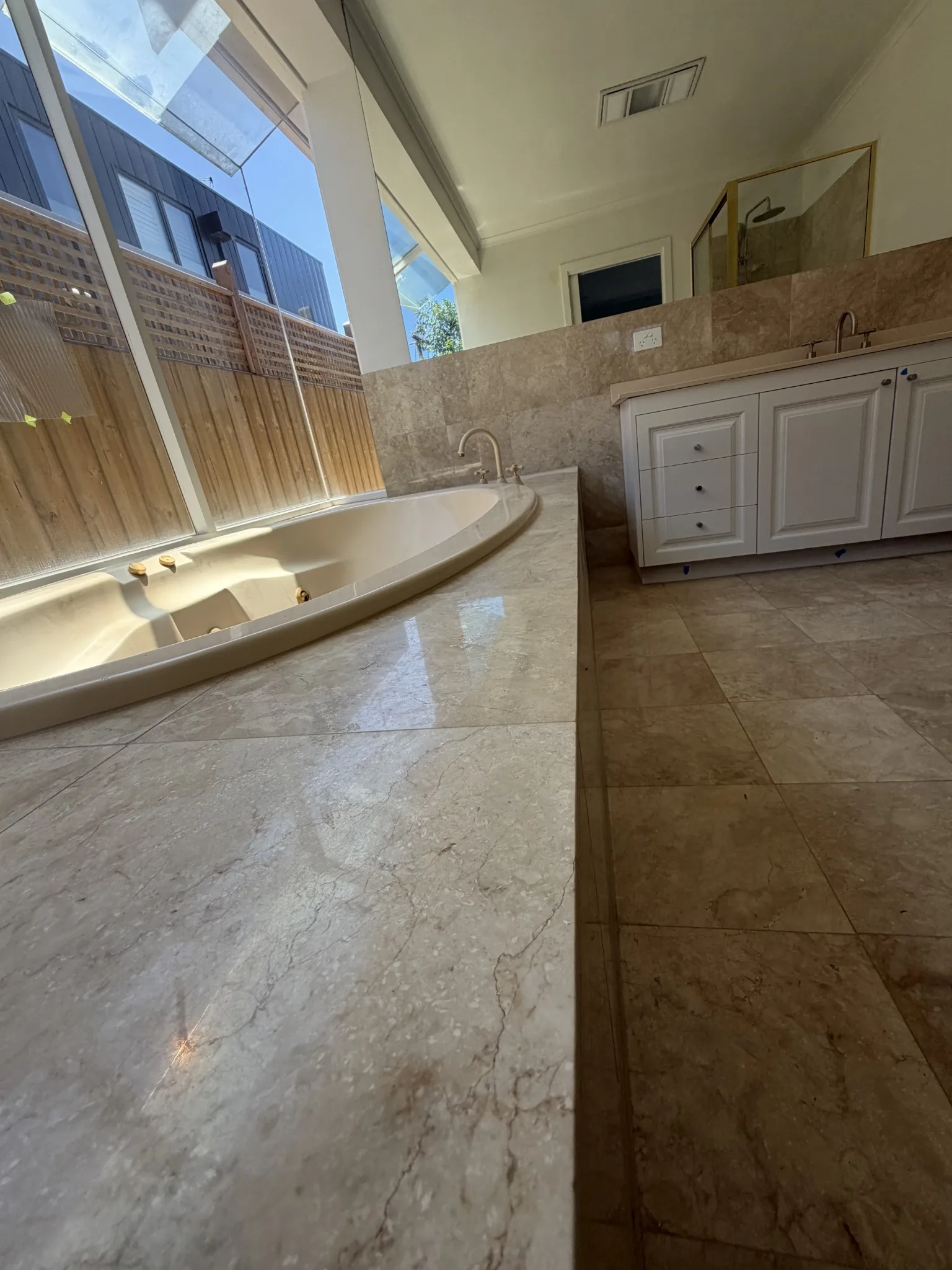
| Bath edge to tile or hob | The joint moves every time the bath is filled, so it cracks sooner than any other. |
| Vanity top, splashback and basin | Splashes and drips track behind the vanity and swell the cabinetry. |
| Toilet base | Keeps mop water and spills from getting under the pan. |
| Floor to wall around the room | Stops water from the floor reaching the bottom of the wall. |
| Around taps, spouts and wall outlets | Small gaps here let water straight into the wall cavity. |
Bath Resealing: Why the Bath Edge Fails First
If one line in the bathroom has cracked, it is usually the one around the bath. There are three reasons:
- The bath moves. A full bath with a person in it is heavy, and the rim drops slightly under the load. The joint opens when the bath is full and closes when it drains.
- Water sits on it. The ledge around a bath holds water, bottles and soap, so the bead stays wet far longer than a vertical joint.
- It is often grouted, not sealed. Grout is rigid. On a joint that moves, it cracks within months and lets water in behind the bath.
The fix is a flexible sanitary silicone, applied to a clean, dry joint, with the bead sized to allow for the movement. On baths that flex noticeably, the joint is sealed with the bath filled, so the silicone cures with the gap at its widest.
Signs Your Bathroom Needs Resealing
- Black or pink mould in the silicone that comes back after cleaning.
- Cracks, splits or gaps along the bead.
- Silicone peeling away from the tile, bath or screen.
- A musty smell, or water appearing outside the shower.
- Swollen skirting, door frames or vanity kickboards.
Our post on the 7 signs your bathroom caulking needs replacing goes through each of these with what to look for.
How Bathroom Resealing Is Done
- Remove all the old silicone. Every bead is cut out and the residue stripped. This is the slowest step and the one that decides how long the new seal lasts.
- Treat the mould and clean the joints. Mould behind the old bead is killed and the surfaces cleaned back to bare tile, glass and acrylic.
- Dry everything. Silicone does not bond to a damp joint. Wet joints are dried before any sealant goes in.
- Apply mould resistant sanitary silicone. Neutral cure, colour matched to the tile, grout or fixture.
- Tool the bead. Each line is finished smooth so water runs off and there is no ledge for soap scum.
If you want to try it yourself, our step by step guide to caulking and recaulking a bathroom covers the method and the tools.
How Long Does Bathroom Resealing Take?
A standard bathroom is usually completed in a single visit. Removing the old silicone takes most of that time, so a bathroom with heavy mould or several layers of old sealant takes longer than one being resealed for the first time.
After that, the silicone needs to cure. Keep water off it for at least 24 hours. Our guide to how long silicone takes to dry explains the difference between touch dry and fully cured.
Reseal, Regrout or Waterproof?
Bathroom resealing fixes failed silicone. It does not fix everything, and it helps to know which problem you have before paying for the wrong repair.
| What you see | Likely fix |
|---|---|
| Mouldy, cracked or lifting silicone | Bathroom resealing |
| Cracked or missing grout between tiles | Regrouting, then resealing the corners |
| Loose or drummy tiles | Tile repair before any sealing |
| Water in the room below or the next room, with sound silicone | Waterproofing or plumbing inspection |
Our post on whether a leak is the silicone or the waterproofing walks through how to tell. In Victoria, the membrane under the tiles is covered by the waterproofing requirements for wet areas, and that work is a separate trade from resealing.
How Much Does Bathroom Resealing Cost?
The price depends on the size of the bathroom, how many fixtures it has, and how much old silicone and mould has to come out first. A shower on its own costs less than a full room. Our shower resealing cost guide has typical 2026 prices, and the pricing page covers how we quote.
Bathroom Resealing FAQs
How often should a bathroom be resealed?
There is no fixed schedule. Reseal when the silicone shows black mould that will not clean off, cracks, gaps, or edges lifting from the tile. Showers used daily fail first. Our guide on how often to recaulk a shower covers what shortens and extends the life of the seal.
Can you reseal over old silicone?
No. New silicone does not bond to old silicone, and any mould underneath keeps growing through the new bead. Proper bathroom resealing removes every trace of the old sealant before the new bead goes in.
Can I use the shower the same day?
It is best not to. Keep water off new silicone for at least 24 hours so it cures fully and bonds to the tile. The toilet and basin can usually be used carefully sooner, as long as the new joints stay dry.
Will bathroom resealing fix a leak?
It will if the leak is coming through failed silicone at the shower base, the screen, or the bath edge, which is the most common cause. It will not fix a failed waterproofing membrane under the tiles or a leaking pipe in the wall.
Is resealing the same as regrouting?
No. Grout fills the flat joints between tiles and is rigid. Silicone seals the corners and the junctions between different surfaces, where there is movement. A bathroom can need one, the other, or both.
Bathroom Resealing Melbourne: Book Your Reseal
Professional Caulking Group has been sealing Melbourne bathrooms for over seven years, with more than 590 five star Google reviews. We handle bathroom caulking and resealing across Melbourne, from a single shower to every wet area in the house.
Call 0435 803 646 or request a free quote.