

Window leak repair starts with one question: where is the water actually getting in? A stain under the sill or a damp patch on the plaster tells you where the water ended up, not where it entered. Seal the wrong spot and the leak carries on behind a neat new bead.
Most leaking windows we see across Melbourne come down to a handful of causes, and the most common one is also the cheapest to fix. This guide covers the six causes, how to narrow down which one you have, and when resealing will solve it.
Quick answer: Most window leaks are caused by failed sealant around the frame, blocked weep holes, or missing or damaged flashing. Window leak repair means finding the entry point first, then resealing the frame perimeter with a flexible exterior grade sealant, clearing the drainage, or having the flashing or glazing repaired.
How to Tell Where a Window Is Leaking
Before any window leak repair, spend ten minutes working out the pattern. Three things narrow it down quickly:
- When it leaks. Only in wind driven rain from one direction points to the sealant or the wall on that face. Every time it rains points to the sill, the weep holes or the flashing. Moisture on cold mornings with no rain is condensation, not a leak.
- Where the water shows. Water at the top of the frame usually comes from above the window. Water at the bottom corners points to the frame joints or the drainage. A stain on the plaster under the sill points to the seal beneath the frame.
- What the outside looks like. Walk around and look at the joint between the frame and the wall. Cracks, gaps, or sealant that has pulled away on one side are easy to spot once you look for them.
If it is still unclear, a hose test helps. Have someone watch from inside while you wet the wall gently, starting below the window and working up one section at a time. The leak shows itself when you reach the entry point.
The 6 Common Causes of a Leaking Window
| Cause | Typical sign | Fix |
|---|---|---|
| Failed sealant around the frame | Cracked or missing sealant, leaks in wind driven rain | Cut out and reseal the perimeter |
| Blocked weep holes | Water pooling in the track and spilling inside | Clear the weep holes, never seal them |
| Missing or damaged flashing | Water at the head of the window or inside the wall | Builder or roof plumber |
| Worn glazing seals | Water between glass and frame, loose rubbers | Glazier, or reseal the glass line |
| Cracked render, brick or cladding joints | Damp patches beside or above the frame | Seal the cracks and wall joints |
| Building movement | Gaps that open and close with the seasons | Flexible sealant sized for movement |
1. Failed Sealant Around the Frame
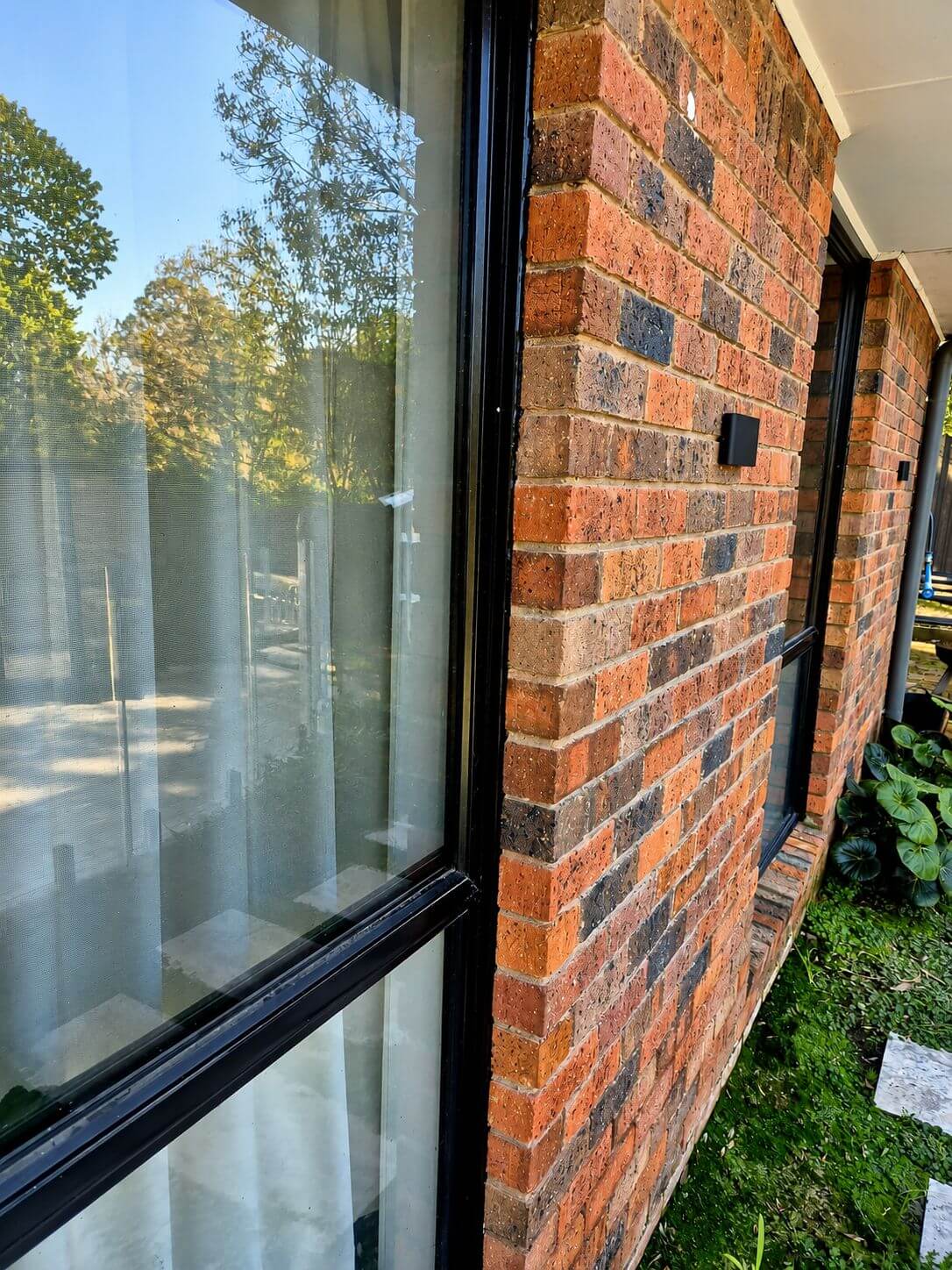
This is the most common cause. The joint between the window frame and the brick, render or cladding is sealed with a flexible sealant, and years of sun and movement eventually crack it or pull it off one side. Once there is a gap, wind pushes rain straight in.
It is also the simplest window leak repair. The old sealant is cut out, the joint is cleaned, and a new bead of exterior grade sealant goes in. Our window caulking service covers this for both old and new frames.
2. Blocked or Sealed Over Weep Holes
Aluminium windows are designed to let a little water into the track and drain it back outside through small slots called weep holes. When those slots fill with dirt, or someone seals over them by mistake, the track fills up and overflows indoors.
Clearing them is a simple job, and this guide to cleaning window weep holes shows how. Weep holes must never be caulked shut, which is one of the most common DIY mistakes we are called to fix.
3. Missing or Damaged Flashing
Flashing is the hidden layer above and below a window that turns water back out of the wall. If it is missing, short or damaged, water that gets behind the cladding or brickwork runs into the frame opening. The sign is water at the top of the window, or damp plaster with sealant that still looks sound.
Sealant cannot replace flashing. This one needs a builder or roof plumber, and sealing over the symptom can trap water in the wall.
4. Worn Glazing Seals
The rubber or sealant line between the glass and the frame hardens and shrinks with age. Water then gets past the glass edge into the frame. Shrunken corners, loose rubbers, or fogging between double glazed panes are the signs. Rubbers and failed double glazing are a glazier’s job. A failed sealant line at the glass can often be resealed.
5. Cracked Render, Brickwork or Cladding Joints
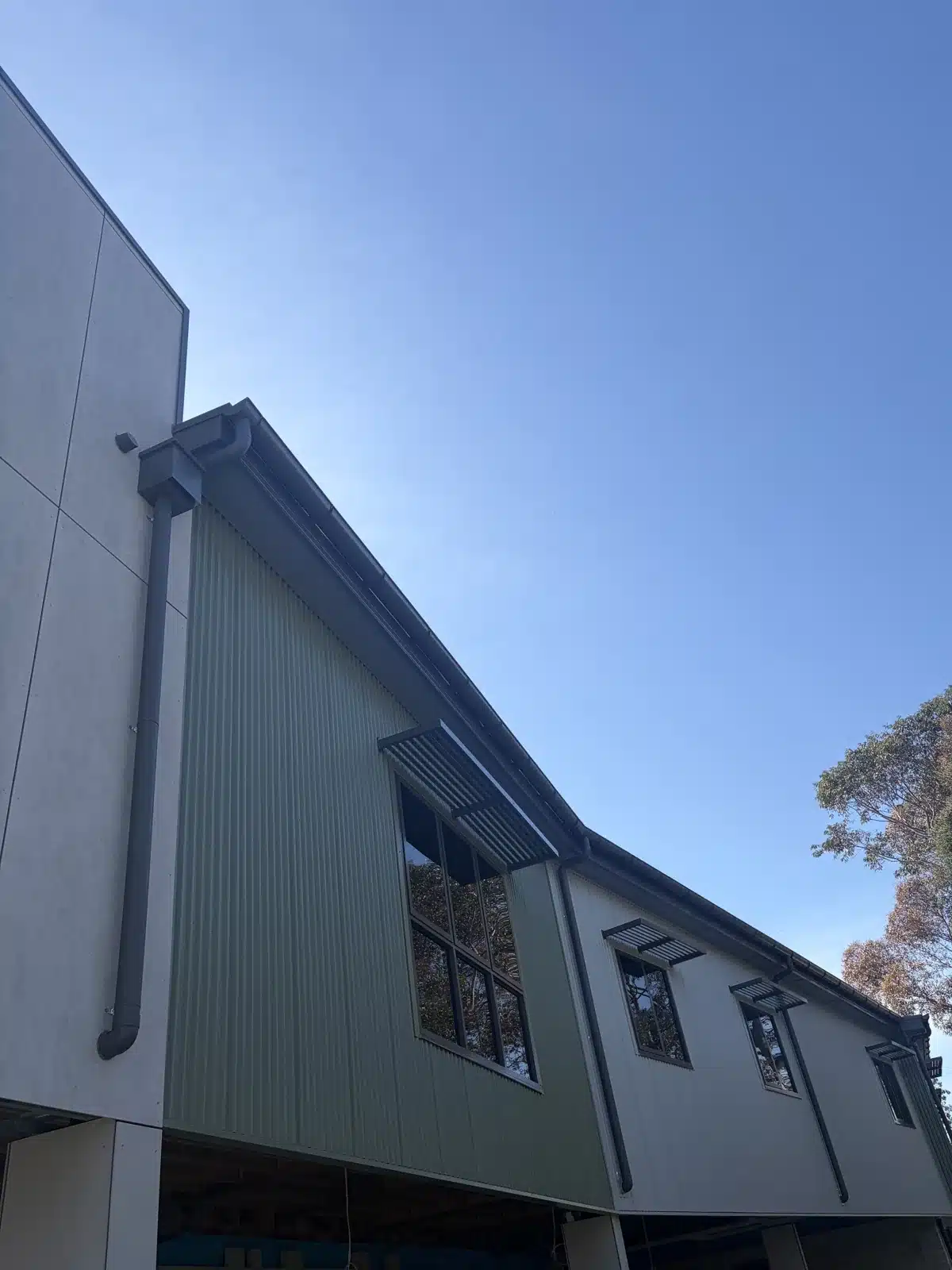
Sometimes the window is fine and the wall beside it is the problem. Cracked render, open mortar joints and failed cladding joints let water in above or beside the frame, and it appears at the window because that is the first opening it reaches.
6. Building Movement
Melbourne’s clay soils swell and shrink through the year, and houses move with them. Joints around windows open in summer and close in winter. A rigid filler cracks the first season. A flexible sealant in a correctly sized joint stretches and recovers, which is why product choice matters as much as workmanship.
What Window Resealing Fixes, and What It Does Not
| Problem | Fixed by resealing? | Who to call |
|---|---|---|
| Cracked or missing frame sealant | Yes | Caulking specialist |
| Open cladding, render or control joints | Yes | Caulking specialist |
| Blocked weep holes | No, they need clearing | DIY or caulking specialist |
| Missing or failed flashing | No | Builder or roof plumber |
| Perished rubbers or failed double glazing | No | Glazier |
| Rotten timber frame or sill | No, repair the timber first | Carpenter, then reseal |
If you are weighing up whether sealing is worth it on windows that are not leaking yet, Why Caulk Your Windows? 7 Benefits for Melbourne Homes covers the case for doing it early.
How We Carry Out a Window Leak Repair
- Inspect first. We check the sealant, weep holes, sill and the wall around the window, and tell you if the cause is something sealant will not fix.
- Remove the old sealant. All of it, back to clean frame and wall. New sealant over old does not last.
- Clean and prepare the joint. Dust, paint flakes and residue are removed, and deep joints get a backing rod so the bead is the right depth.
- Apply exterior grade flexible sealant. Colour matched to the frame or the wall, and suited to the surfaces it is bonding to.
- Tool the bead and keep the drainage clear. The bead is finished to shed water, and weep holes are left open.
Window Leak Repair FAQs
Can I put new silicone over the old sealant?
No. New sealant does not bond properly to old, weathered sealant, so the leak comes back and the joint ends up thicker and harder to fix. Window leak repair means cutting the old bead out completely, cleaning the joint and applying a fresh, correctly sized bead.
Is a leaking window urgent?
It is rarely an emergency, but it should not be left for another winter. Water inside a wall rots timber frames and reveals, swells plaster and skirting, and feeds mould you cannot see. A leak that costs little to seal now can turn into a plaster and carpentry repair later.
How much does window leak repair cost?
It depends on the number of windows, how much old sealant has to come out, and access, since second storey windows take longer. Resealing is usually the lowest cost repair on the list. See our pricing page or send photos for a free quote.
Is water on the inside of the glass a leak?
Usually not. Water beading on the inside of the glass on cold mornings is condensation, caused by warm, moist indoor air meeting cold glass. A leak shows up during or after rain, and usually at the frame, the sill or the wall around the window, not on the glass.
How long does window sealant last?
A quality exterior sealant applied to a clean, properly prepared joint should last for many years. North and west facing windows take the most sun, so they are usually the first to crack or pull away and the first worth checking.
Window Leak Repair Melbourne: Get It Fixed Properly
Professional Caulking Group has been sealing Melbourne homes and commercial buildings for over seven years, with more than 590 five star Google reviews. We handle window caulking and resealing across Melbourne, and we will tell you straight if your leak needs a different trade.
Call 0435 803 646 or request a free quote.